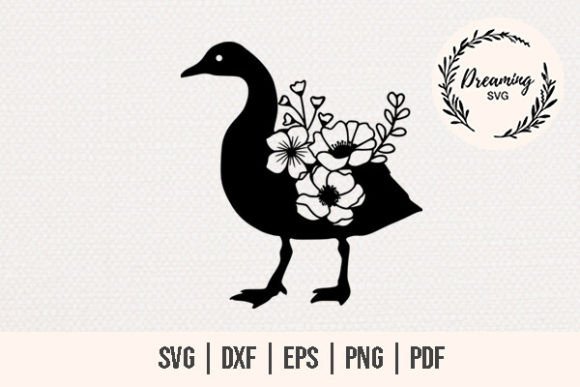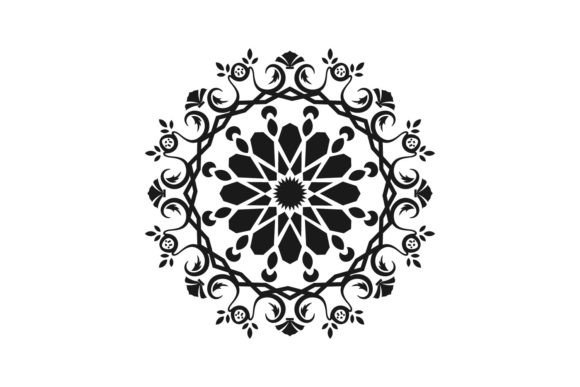
Illustration of Flower and Floral Decor for Modern Graphics
I recently received a brief from a client launching a boutique skincare line focused on organic, botanical ingredients. They needed visual assets that felt authentic, handcrafted, and elegant without appearing mass-produced. The project required versatile design assets that could transition seamlessly from product labels to social media graphics and even physical merchandise like tote bags. After reviewing dozens of options in the creative marketplace, I decided to put Illustration of Flower and Floral Decor through its paces. This review explores whether this specific asset is viable for real-world commercial work or if it remains just another decorative clipart file.
The First Impression: Mood and Visual Identity
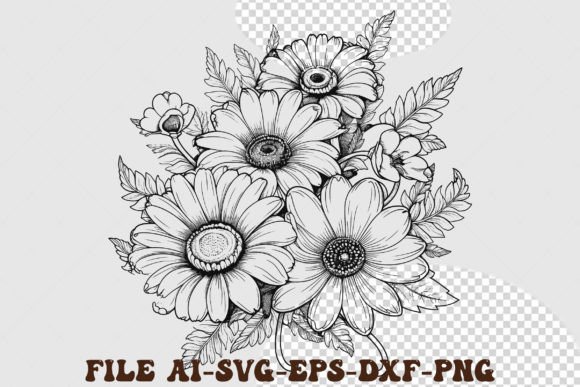
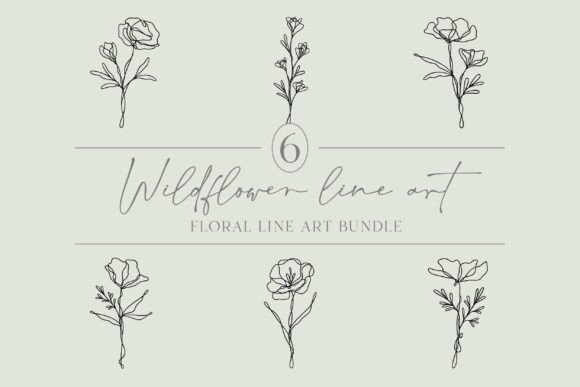
When you first open the files associated with Illustration of Flower and Floral Decor, the immediate feeling is one of refined elegance. It does not scream for attention; instead, it whispers sophistication. The style leans heavily into ornamental art, featuring delicate lines and balanced compositions that suggest a vintage yet modern aesthetic. For a brand identity project, this mood is crucial. It creates an emotional connection with audiences who value nature, wellness, and artisanal quality.
The illustration feels suitable for handmade businesses, small business branding, and editorial design where a touch of whimsy is desired but professionalism must be maintained. It avoids the cluttered look of overly complex patterns, making it a strong candidate for packaging design where space might be limited. However, the ornamental nature means it works best when paired with clean typography. If your goal is a stark, minimalist corporate look, this floral element might feel too soft, but for lifestyle brands, it hits the mark perfectly.
Performance Across Real-World Applications
In my experience as a designer, the true test of any graphic lies in its versatility. Illustration of Flower and Floral Decor proves its worth across a wide spectrum of applications. As a core component of a logo design, it adds character without overwhelming the brand name. When scaled down for social media graphics or Instagram posts, the details remain crisp, provided the resolution is sufficient.
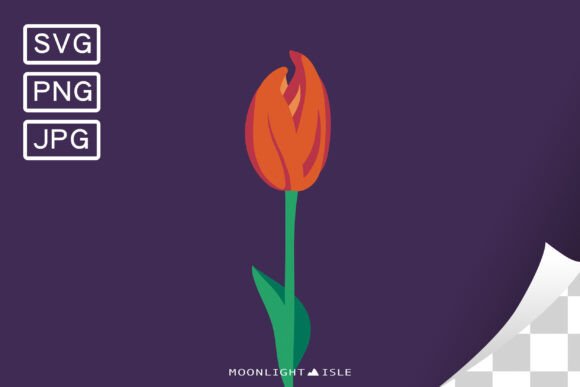
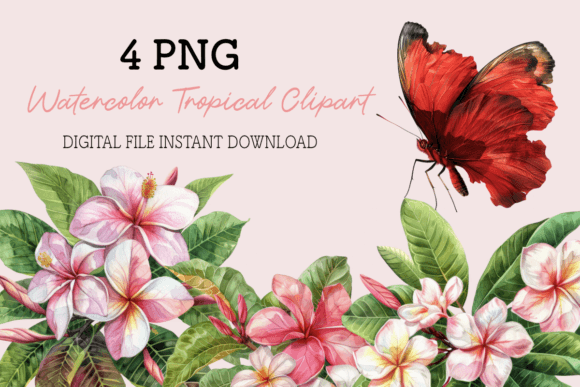
I tested this asset in several scenarios typical for digital sellers and print-on-demand sellers. In t-shirt design, the vector elements allowed for precise color separation, ensuring the print looked sharp on both light and dark fabrics. For Cricut projects, the SVG format was particularly useful, allowing me to cut intricate details for vinyl stickers and decals. The inclusion of PNG files with transparency meant I could easily layer the floral motifs over textured backgrounds for printable wall art or wedding invitations.
This graphic design asset also shines in marketing visuals. I placed it within a Canva template layout for a seasonal campaign, and it served as an excellent hero graphic. It breaks up white space effectively in blog visuals and acts as a natural divider in editorial design. Whether used for sublimation design on mugs or as a background element for flyers, the illustration adapts well to different mediums. It bridges the gap between digital products and physical goods, making it a valuable addition to any design bundle.
Strategic Placement: Where It Shines
To get the most out of Illustration of Flower and Floral Decor, strategic placement is key. It excels in large layout areas where its full beauty can be appreciated, such as website headers or poster backdrops. In product mockups, placing this illustration behind a bottle or jar instantly elevates the perceived value of the item, suggesting a premium quality.
- Decorative Accents: Use it to frame text or highlight key information in newsletters and brochures.
- Themed Collections: Perfect for creating cohesive sets for Etsy shops selling seasonal items or craft supplies.
- Packaging Details: Ideal for wrapping paper designs, box inserts, or label borders where a touch of nature is appropriate.
- Social Media Posts: Works beautifully as a border element or watermark to reinforce brand recognition.
It is particularly effective in commercial design projects that require a warm, inviting atmosphere. The ornamental art style supports visual hierarchy by drawing the eye naturally toward focal points without being distracting.
Cautions and Limitations
No single asset is perfect for every situation. While Illustration of Flower and Floral Decor is versatile, there are contexts where it requires careful handling. In crowded layouts, the intricate details can become muddy, especially if the background is busy. Designers should avoid using this asset on low-contrast designs where the lines might disappear into the background.
For projects requiring very clean visual hierarchy, such as professional corporate materials or technical documentation, this floral element might introduce too much emotion. It may clash with strict brand guidelines that demand geometric precision. Additionally, at very small sizes, the fine lines of the illustration may lose definition. Always preview the asset at the intended output size before finalizing the design to ensure clarity.
Practical Designer Notes for Commercial Use
Before committing to using this asset in a client project, there are several technical checks every designer should perform. First, always test the design in black and white. This helps verify that the composition holds up without relying on color alone, ensuring strong visual trust and readability.
Check the contrast on both light and dark backgrounds. A floral motif that looks great on white might vanish against a pastel background. Previewing the asset at various scales is essential; zoom in to check the edge quality and zoom out to see how it interacts with surrounding elements. If you are working with SVG files, inspect the editability. Ensure the paths are closed and grouped logically so you can adjust colors or shapes without breaking the artwork.
Review the file formats included. Having AI, EPS, and SVG files allows for maximum flexibility in vector-based software like Adobe Illustrator, while PNG and JPG provide quick access for raster-based workflows. Inspect the PNG transparency carefully to ensure there are no halos around the edges. Finally, confirm the commercial license. Using a design asset for a client project requires explicit permission for commercial use, especially for print-on-demand or resale purposes.
Typography Pairing and Final Verdict
The success of Illustration of Flower and Floral Decor often depends on the font choice. I found it pairs exceptionally well with serif fonts, which complement its classic, ornamental feel. Script fonts can also work well for a romantic or boutique vibe, but they must be legible. Handwritten fonts add a personal touch, while display fonts can anchor the design if used sparingly. Sans-serif fonts offer a modern contrast that can make the floral element pop as a contemporary accent.
Ultimately, this illustration is a robust tool for designers looking to add depth and personality to their work. It supports brand consistency and enhances audience engagement by providing a familiar, comforting visual language. Whether you are a content creator building a blog, a crafter designing for Cricut, or a marketer launching a new product line, Illustration of Flower and Floral Decor offers the polish needed to elevate a project from amateur to professional. It is a reliable choice for anyone seeking high-quality illustrations and graphics that deliver on both aesthetic appeal and functional utility.