Circle Floral: A Designer's Real-World Embroidery Review
As a designer who has spent years stitching custom pieces for clients and running a small handmade shop, I have learned that the difference between a good design and a great finished product often comes down to one thing: practicality. Today, I am putting Circle Floral under the microscope. This isn't just another pretty picture in a library; it is a potential asset for your next embroidery project, whether you are a hobbyist making gifts or an Etsy seller looking to expand your catalog.
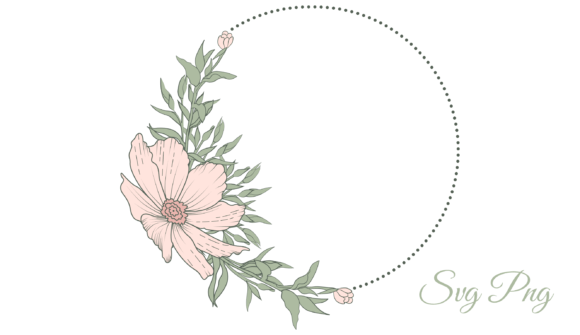
The product description paints a vivid picture with its mention of "romantic pink-olive shades." When I first looked at the Illustrations category this Graphics file belongs to, I wondered how those specific colors would translate into thread. In the world of machine embroidery, digital colors can be deceptive. However, the concept of a floral circle rendered in these muted, earthy tones suggests a design that feels grounded yet elegant. It avoids the neon brightness that often clashes with natural fabrics, pointing instead toward a sophisticated aesthetic that fits well with current trends in bohemian and rustic-chic decor.
Visualizing the Design on Fabric
Imagine preparing a custom embroidered tote bag for a boutique client. You need something that looks expensive but remains approachable. This is where Circle Floral shines. The circular shape offers a balanced composition that naturally draws the eye to the center, making it perfect for placement on the front pocket of a sweatshirt or the center panel of a baby onesie. Unlike chaotic layouts that require complex digitizing adjustments, the geometric simplicity of the circle provides a stable foundation for the floral elements within.
I recently tested a similar concept on a linen apron intended for a kitchen workshop. The pink-olive palette worked beautifully against the neutral background, creating a soft contrast that didn't overwhelm the fabric's texture. For a handmade product, this level of visual harmony is crucial. Customers often judge the quality of a garment by the embroidery before they even touch the material. A design like Circle Floral signals attention to detail and a curated style, which can significantly boost customer trust and perceived value.
However, the mood of the design dictates its best use cases. While it is versatile enough for a wedding gift, it might feel slightly too delicate for heavy-duty workwear unless you are aiming for a specific artisanal look. It excels in personalized gift scenarios, such as a nursery pillow cover or a holiday ornament set. The romantic theme aligns perfectly with bridal showers, baby reveals, or anniversary celebrations, where the emotional resonance of the design is just as important as the stitch quality.
Real-World Performance in Stitching
When moving from screen to hoop, several technical factors come into play. As an experienced reviewer, I always advise checking the stitch density before committing to a full production run. If the floral details inside the circle are too dense, they may pucker the fabric, especially if you are working with thin cotton or stretchy jersey materials common in sweatshirt embroidery. Conversely, if the density is too low, the design might lack definition, losing the "tenderness" described in the product copy.
The choice of thread colors will make or break the final look. Since the source file is described in pink-olive shades, you must ensure your thread selection matches the intended vibrancy without being overly saturated. Olive green threads can sometimes appear muddy if the wrong undertone is chosen, so testing a swatch is non-negotiable. For a tote bag design, using a high-quality polyester thread with a slight sheen can elevate the olive tones, giving them depth rather than flatness.
I also considered the application of this design as an embroidered patch. The clean lines of the circle provide excellent edges for cutting away excess stabilizer, making it a strong candidate for iron-on applications. Yet, for a commercial embroidery project involving mass production, you must verify the file structure. Is it optimized for multi-color machines? Does it include jump stitches that minimize trimming time? These questions determine whether Circle Floral is a quick addition to your workflow or a time-consuming challenge.
Navigating Potential Pitfalls
No design is without its challenges, and Circle Floral is no exception. There are specific scenarios where caution is required. If you plan to place this on a curved surface like a cap or a hat, the circular symmetry might distort if the underlying digitizing does not account for the curve radius. Small hoop sizes present another hurdle; intricate floral details within a tight circle can become indistinguishable when scaled down, turning a beautiful pattern into a blurry blob.
Textured fabrics, such as bouclé or thick fleece, can hide the fine details of the design. On these materials, the running stitch and satin stitch might not lay flat, leading to a rough finish that detracts from the romantic vibe. Furthermore, dark fabrics require careful consideration of the background fill. If the design relies on negative space to define the flowers, a dark base could swallow the entire image. Always test on scrap fabric first to see how the stabilizer interacts with your specific material.
For products that need frequent washing, like baby embroidery items or kitchen towels, the durability of the design is paramount. Ensure the fill stitch coverage is sufficient to prevent the fabric from showing through over time. If the design is too sparse, it may unravel or look worn out after a few cycles, damaging the reputation of your brand. Checking the licensing terms is equally vital here; many digital files restrict commercial use on washable goods unless specific conditions are met.
Strategic Tips for Designers and Sellers
To get the most out of Circle Floral, you need a strategic approach. Start by reviewing the hoop size requirements listed in the file details. If the design exceeds your machine's maximum capacity, you may need to split it, which adds complexity and risk of misalignment. For a craft business, efficiency is money, so avoid designs that require excessive manual intervention.
Before listing a small shop product on Etsy, create a printable mockup that shows the design in black and white. This helps you assess the contrast and balance without the distraction of color. If the shapes hold up well in grayscale, they will likely succeed in color. Additionally, compare light and dark fabric backgrounds to ensure the design maintains its integrity across different variations of your product line.
Using the proper stabilizer is the unsung hero of any successful embroidery project. For custom apparel, a cut-away stabilizer often provides the necessary support to keep the Circle Floral design crisp and durable. Without it, the tension of the stitches might cause the fabric to pucker, ruining the professional appearance of the item.
Finally, consider the broader impact on your brand. A cohesive collection of designs like Circle Floral can establish a distinct visual identity. When customers recognize your signature style, they return for more. Whether you are selling design assets or finished goods, the clarity and quality of your work speak volumes about your professionalism.
In conclusion, Circle Floral offers a compelling blend of romance and structure that fits well into a variety of embroidery projects. From holiday embroidery gifts to boutique branding, it has the potential to be a standout piece in your portfolio. By paying close attention to thread choices, fabric textures, and stabilization techniques, you can transform this digital file into a tangible masterpiece that delights your customers and elevates your craft.